
Kathy Hochul issued a bold warning to Trump
Kathy Hochul didn’t hold back. With fire in her eyes and a voice that carried across the room, she issued a warning that caught everyone’s attention. ““I don’t care if you’re the President of the United States or not – if you dare attack Zohran Mamdani or any of our neighbors, you will wage war on 20 million New Yorkers, starting with me.
” Her words weren’t just strong; they were a bold declaration of protection and defiance.
This was no ordinary statement. Hochul knew the weight behind those words. The moment they left her mouth, the tension shifted. It was clear she was ready to stand up—not just for Mamdani, but for an entire city and its people. Twenty million voices, bound together by resolve.
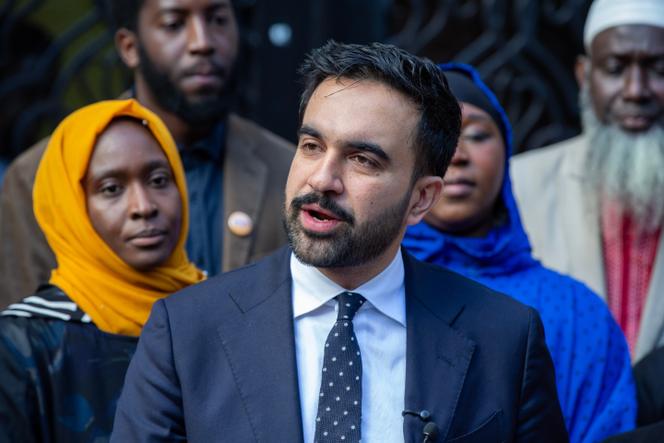
But sometimes, speaking out comes with a price. Almost immediately after making her declaration, Hochul expressed regret. She realized the storm she had just stirred, the battles she might have unleashed. The line between courage and consequence had been crossed.
Then came the decision from Donald Trump. The former president, known for his unpredictability, chose a path that shook the political world. Trump didn’t take the warning lightly. Instead, he saw it as a challenge, a call to act.
The decision he made sent ripples through New York and beyond. It was clear that Hochul’s warning had set a stage for conflict far greater than a mere exchange of words. The battle lines were drawn, and the city braced itself.
For Hochul, the weight of her choice settled heavy. She had stepped into the arena knowing the risks but hadn’t fully grasped the full impact. Her regret wasn’t weakness—it was the sobering reality of politics at its roughest edges.
Trump’s response marked a turning point. It wasn’t just a political move; it was a statement of power, a signal that the fight was escalating. The former president, now driven by this bold encounter, mobilized forces and strategies that left many wondering what was coming next.

New Yorkers watched anxiously. The city, alive with energy and resilience, had suddenly become a battleground for opposing visions. Hochul’s fierce loyalty to her neighbors was both admired and a source of tension.
Voices in the media buzzed with speculation. What would Trump do next? Would Hochul stand firm or retreat? The political chess game was unfolding in real time, with stakes that felt personal for millions.
Behind the scenes, advisors warned Hochul of the risks. The political fallout could be severe. Yet, she remained committed to her promise: to protect Zohran Mamdani, her neighbors, and the city she loved.
In the days that followed, the battle grew louder, more visible. Campaigns, social media, and public discourse all reflected the high stakes on display. Hochul’s challenge to Trump had shifted from words to action.
The tension wasn’t just about power—it was about identity. To Hochul, defending Mamdani was defending the spirit of New York itself. For Trump, confronting Hochul was about asserting control and influence.
Each move carried heavy consequences. City streets, political offices, and dinner tables buzzed with conversation. People were forced to choose sides or hope for reconciliation in a time that seemed anything but peaceful.
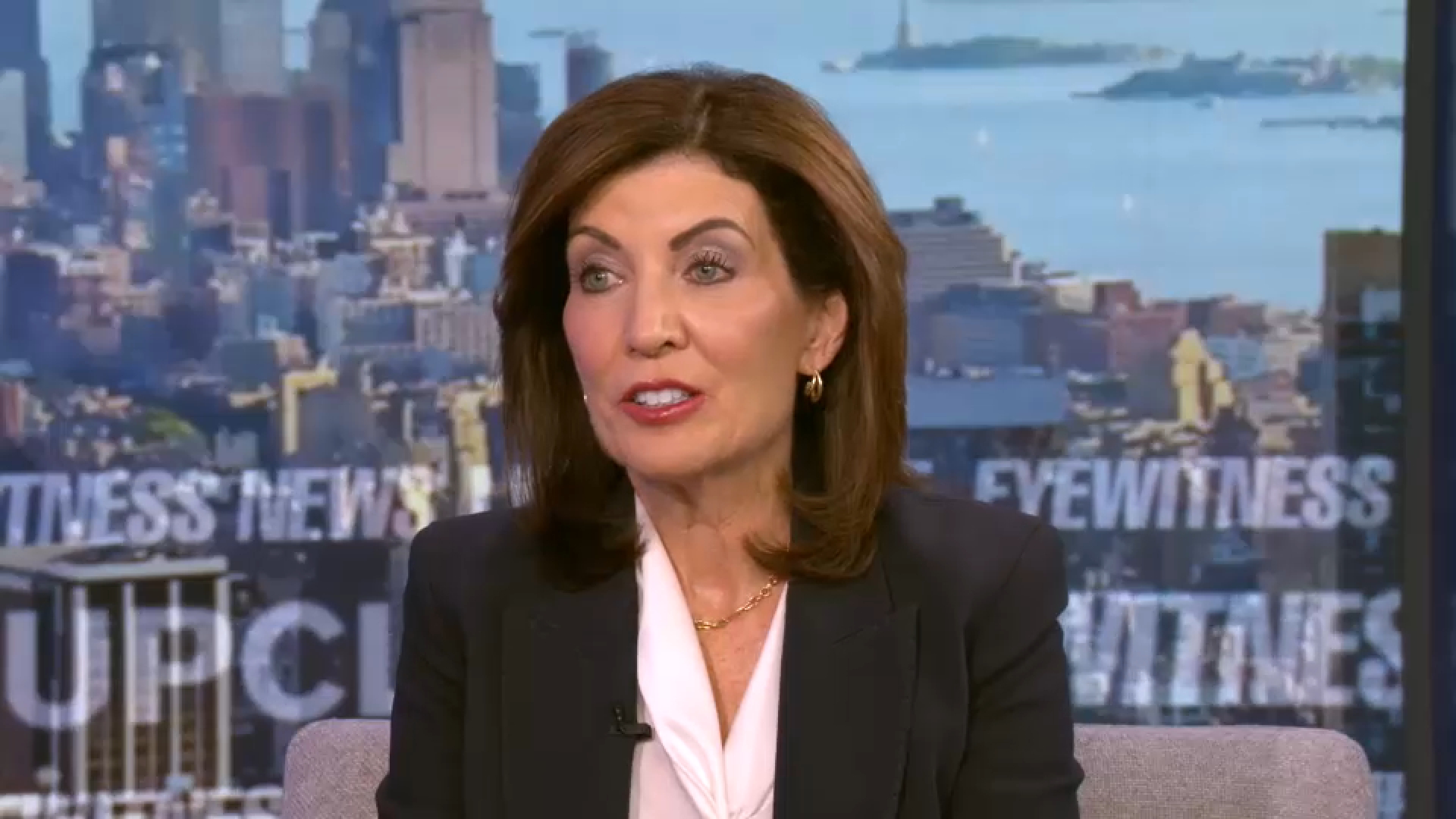
The bold warning and Trump’s swift decision showed how fragile the balance of power can be. What began as a simple statement turned into a defining moment, one that would shape the city’s future.
Hochul’s journey from fierce warning to cautious regret highlighted the complexity of leadership. She was a protector and a strategist, caught in a whirlwind of emotions and political realities.
For now, the city holds its breath. Both Hochul and Trump watch, wait, and prepare for what comes next. The battle over words has become a battle over hearts and minds.
This is more than politics. It’s a deeply human story of loyalty, courage, and the cost of standing tall in uncertain times.
Hidden Dangers in Your Mouth: Early Signs of Oral Cancer

Mouth and Oral Cancer Specialist in Delhi: Understanding Types, Symptoms, and Treatments
Many people ignore minor changes in their mouths, assuming sores or discoloration are harmless. However, these can signal oral cancer—a serious condition that often develops silently and progresses quickly. Those over 40 or who smoke or drink regularly face higher risks. Early detection can make a life-saving difference.
Oral cancer affects the lips, tongue, gums, and inner cheeks, and is more common in men over 40. In India, over 77,000 new cases and 52,000 deaths occur annually. The disease is often detected late, after spreading to the neck, but timely diagnosis greatly improves survival chances.
Types include lip, tongue, gum, inner cheek, and lower mouth cancers. Any persistent sore, patch, or lump should prompt immediate dental consultation. Regular dental check-ups, ideally twice a year, are crucial for early detection.
Common symptoms include sores that don’t heal, swelling, bleeding, difficulty swallowing, loose teeth, ear pain, or numbness in the lips or face. Red or white patches, persistent throat discomfort, or sudden weight loss also warrant medical attention.
Major risk factors include smoking, chewing tobacco, and excessive alcohol use. These habits account for nearly 80% of oral cancer cases. The average age of diagnosis is 50, and men are more frequently affected.
Oral cancer progresses through four stages, from a small localized tumor to advanced stages involving lymph nodes or distant spread. Early detection drastically improves treatment success.
Treatment options include surgery to remove tumors, radiation therapy, chemotherapy, and targeted therapy. The approach depends on the cancer’s stage and location, often combining multiple treatments for the best results.
Early detection remains the key to survival. Regular oral exams, awareness of warning signs, and prompt specialist consultation can prevent complications and save lives.


